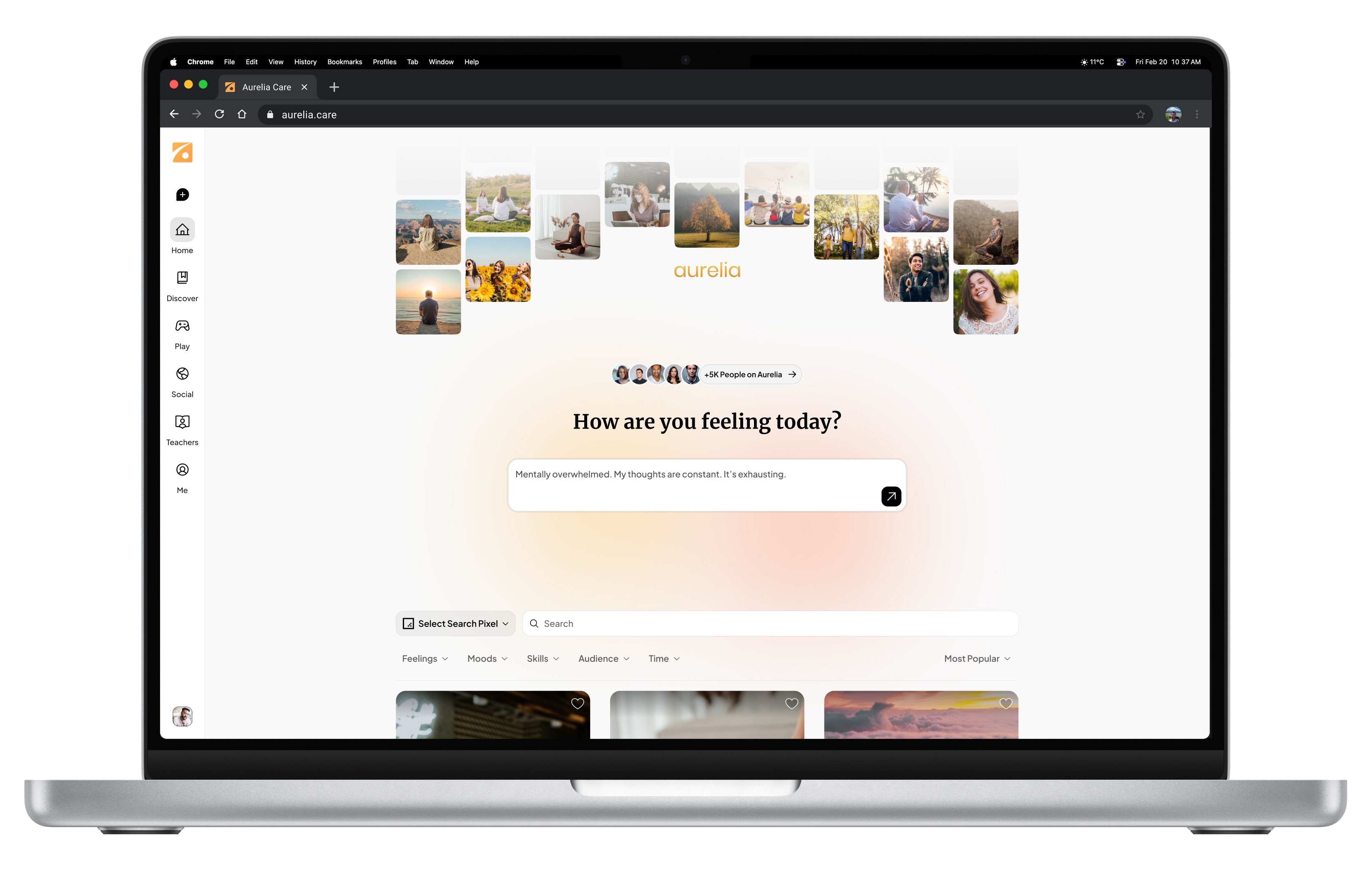
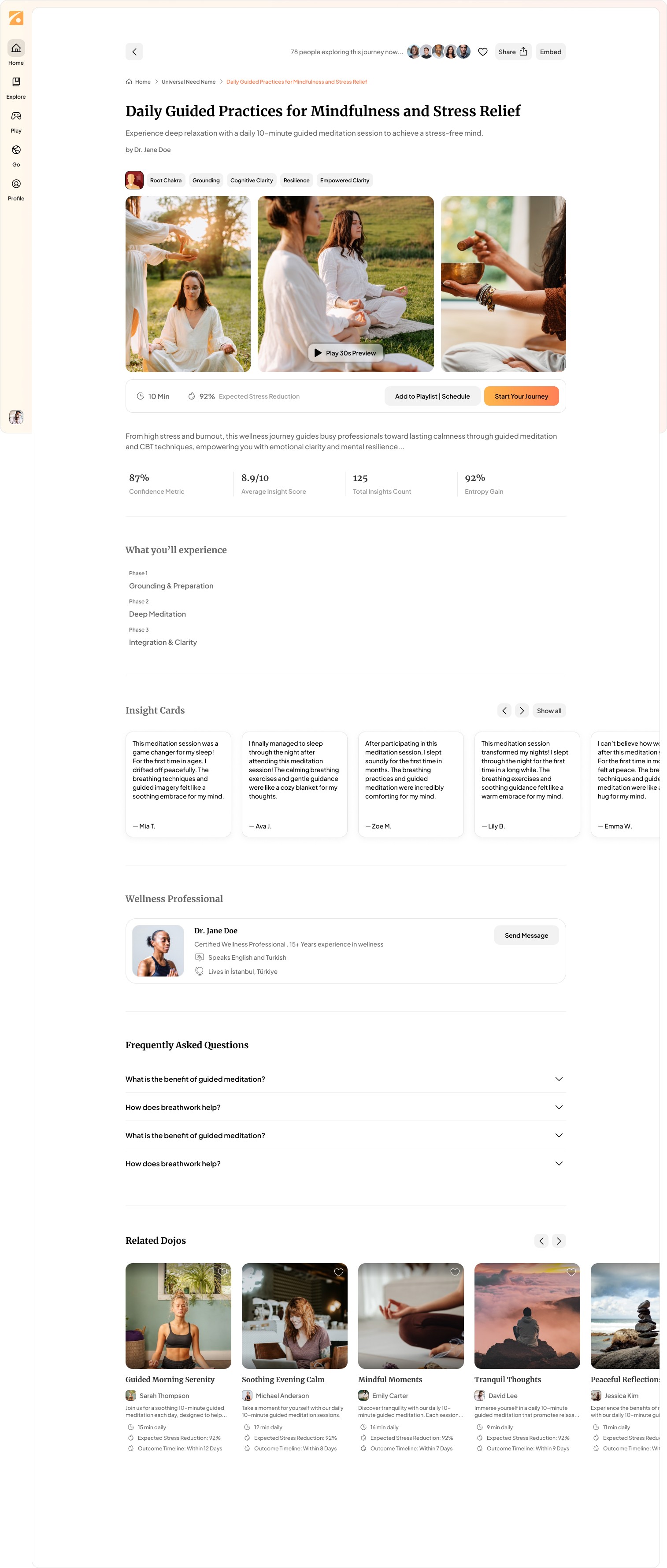
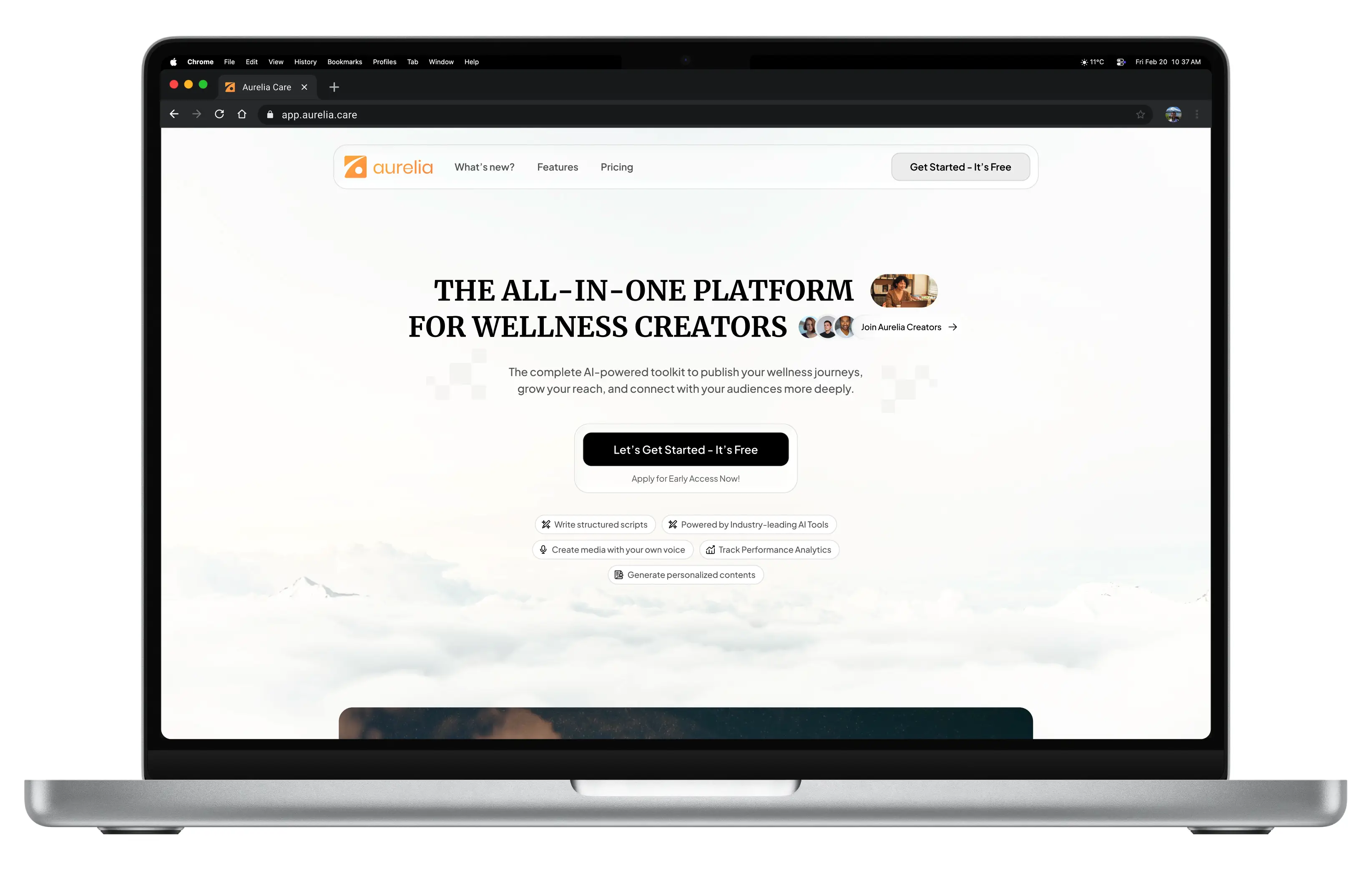
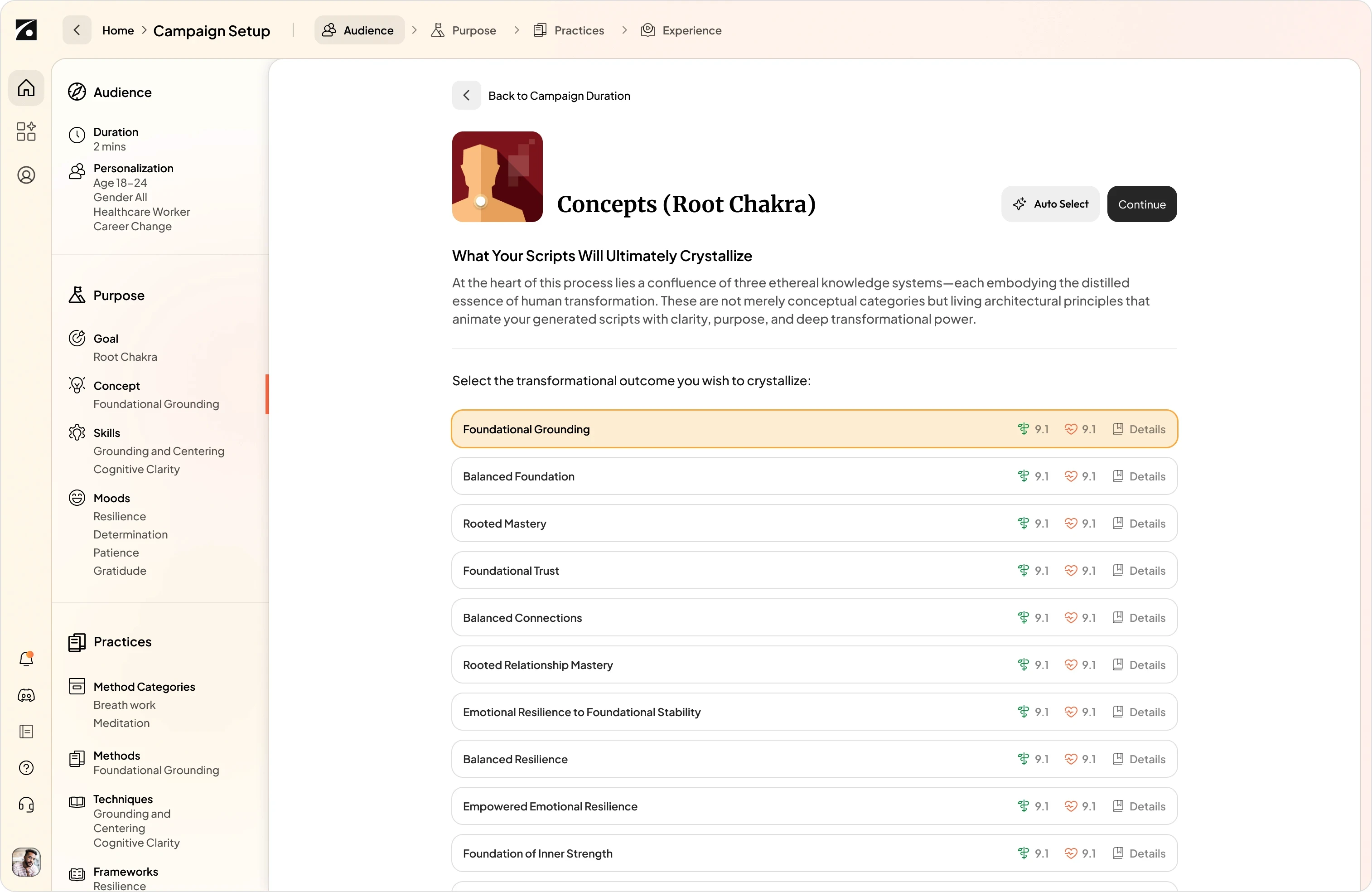
Aurelia Care

The First AI Intelligence Platform
For Human Well-Being

Al has learned to listen — through text, voice, music, and motion.
Creators have become studios.
The world is searching for trust and personalized care.

This is the mission of Aurelia, to build intelligent wellness. Where reasoning meets creation, and every script becomes a global act of care. Emotional intelligence is becoming economic intelligence, and Aurelia is the first to monetize empathy at scale.

Role

UX UI Designer
(Founding Designer)

Core Focus

UI & UX Design
Information Architecture
Product Strategy
AI Integration
Design System

Scope

Web Ecosystem (Next.js)

Date

May 2024 - Dec 2025

The Business Impact

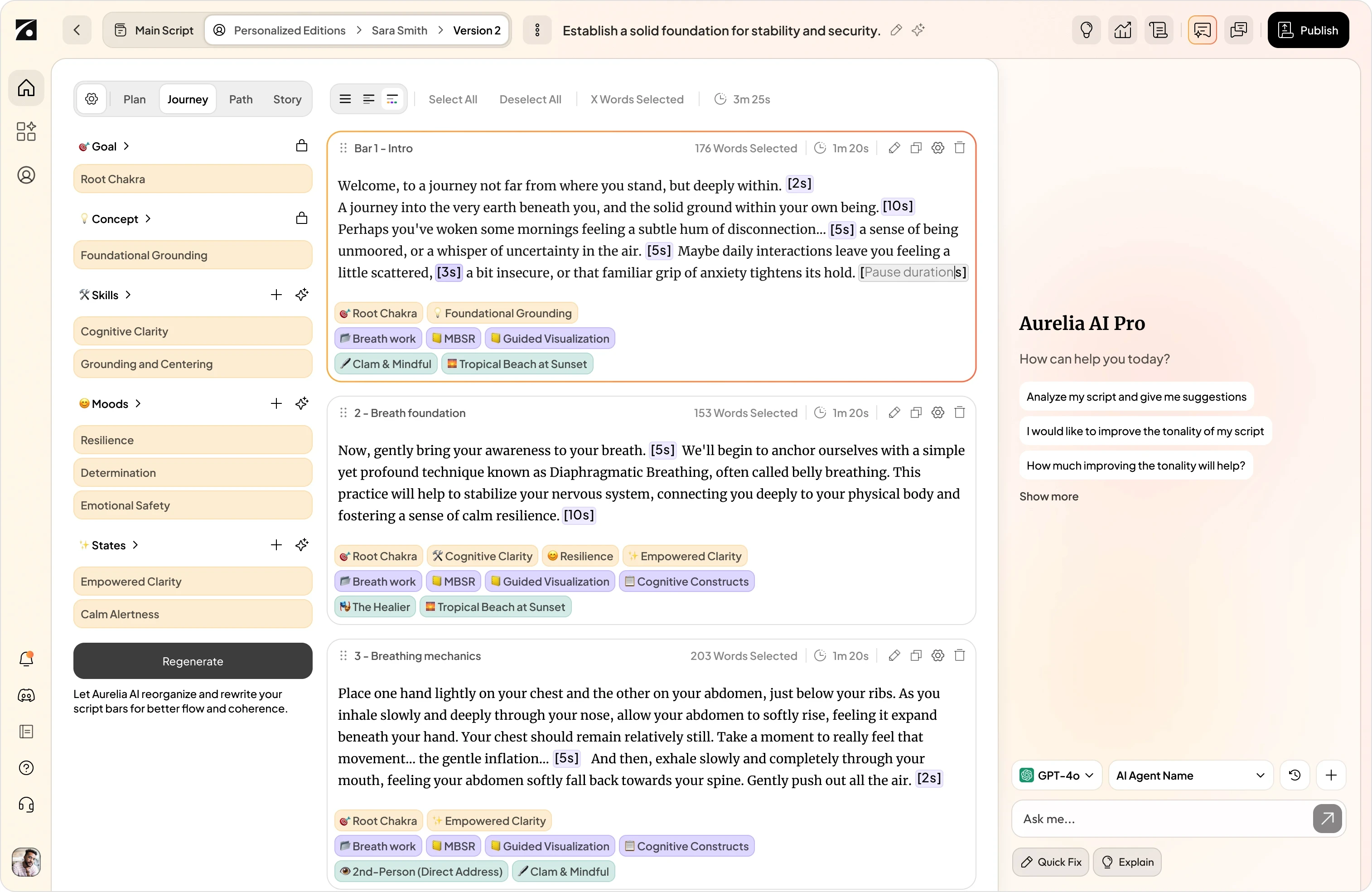
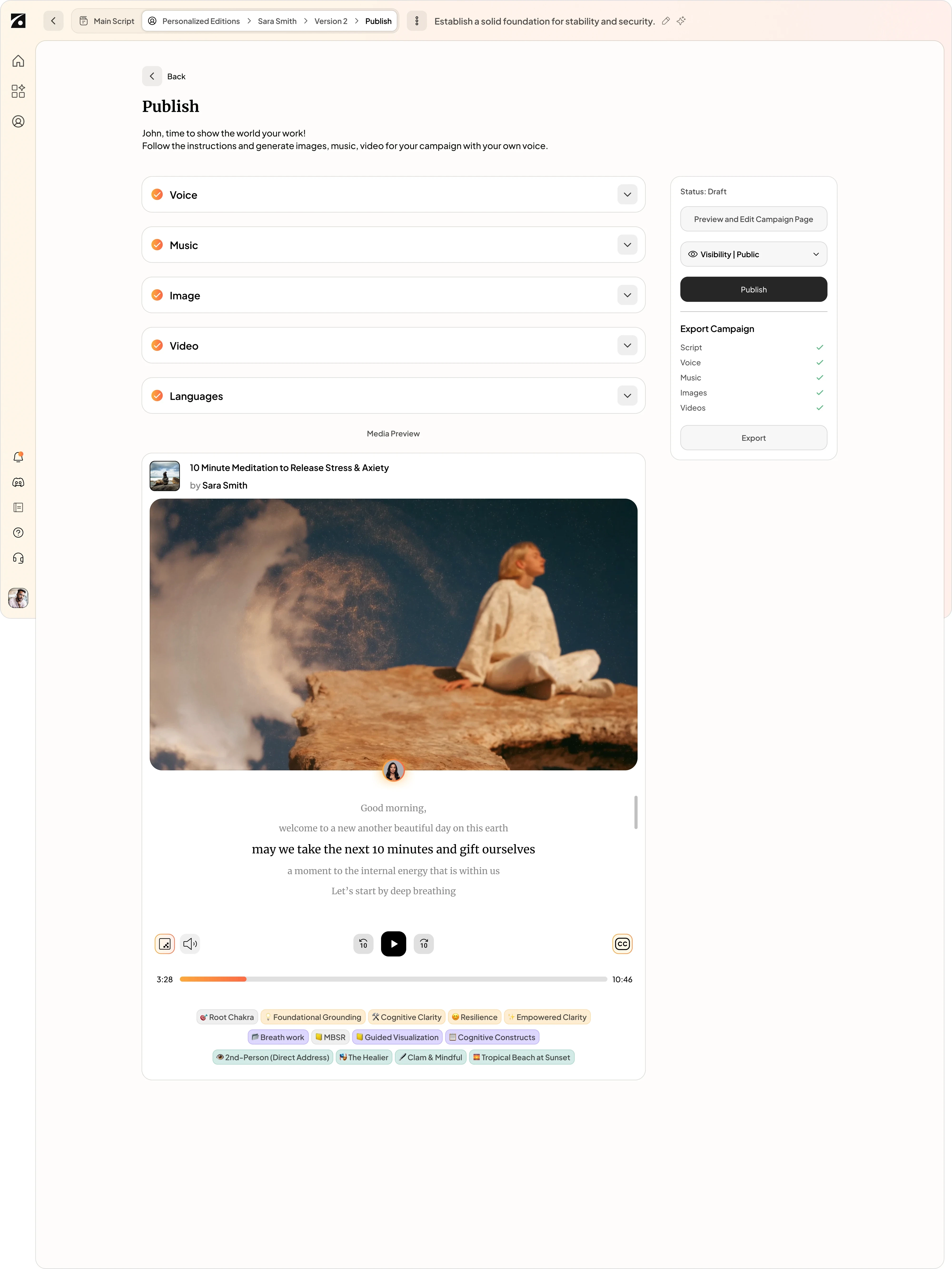
Over 3 months, I led the end-to-end design of Aurelia to a platform where helps wellness creators to integrate AI Agents to their workflows, from ideation, scripting, script structures, generating thumbnails, voiceovers, video loops, to let them publish or export their content. By transforming a complex and time consuming process, into an accessible, web-based app, my work directly contributed to:

  • Full App UX UI Design (Creators, and Audiences)

  • Securing a $200K Seed Funding round.

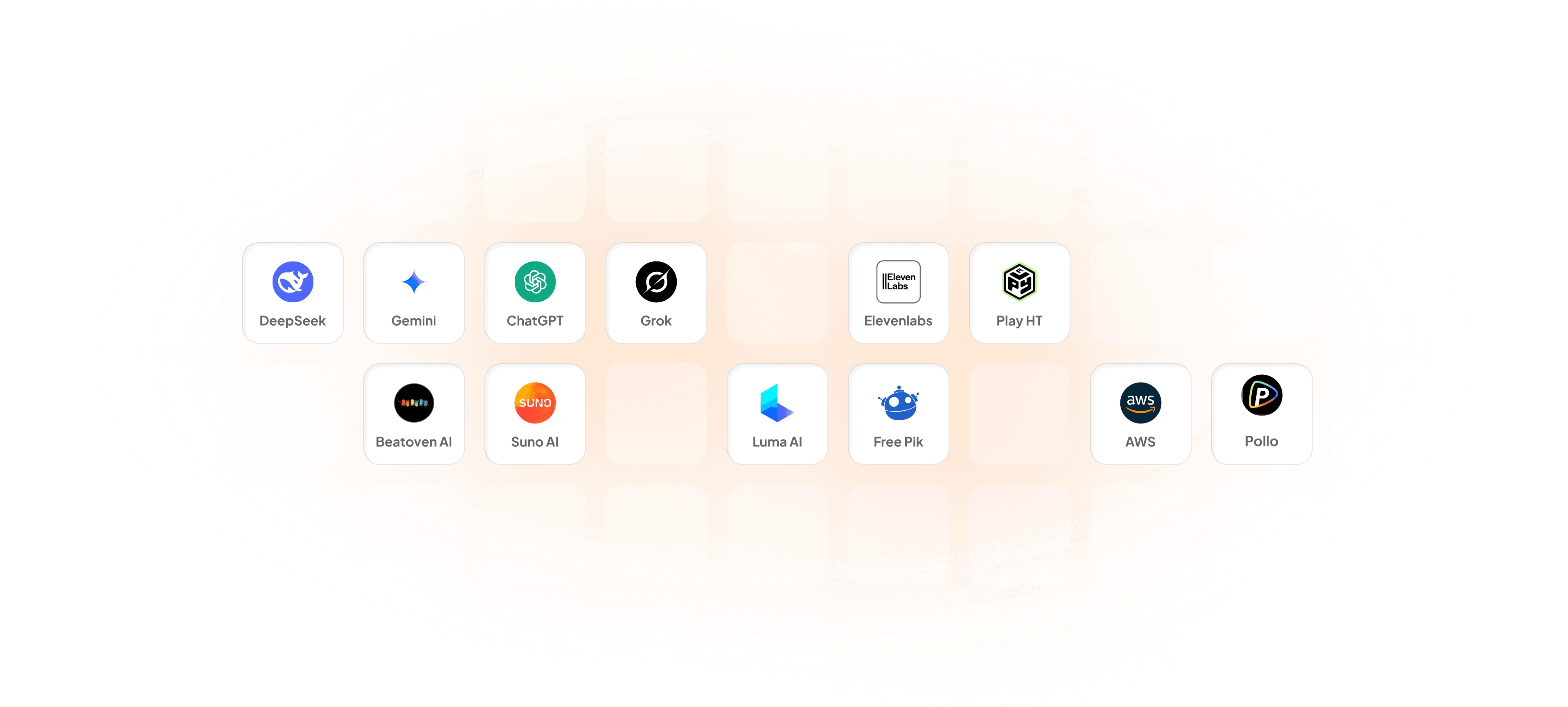
  • Operational Velocity: Integrated AI coding tools and Figma MCP with our Design System and Notion Hub, drastically accelerating our design-to-development pipeline.

  1. The Architecture Pivot (Web Ecosystem)

The Pivot & Cross-Functional Leadership

The Ambition

Game engines like Unreal, Unity and Godot are incredibly powerful, but their learning curves are terrifying for non-coders. Our mission at the anitya was ambitious: Give marketers, educators, and casual creators the power of a 3D engine, but make it simple and run flawlessly in a browser.

The Wall (Identifying the Limitations and Friction)

Initially, our entire product, including the user "Lobby" for finding games and managing workspaces, was built directly inside the Godot 3D engine. Early user testing identified a massive systemic flaw:

  • The Load Time: Forcing users to load a heavy WebGL environment just to browse experiences, was severely bottlenecking user acquisition.

  • The Isolation: The 3D engine couldn't be crawled by search engines, destroying our SEO and organic shareability.

💡 The Strategic Insight: The most beautiful 3D UI in the world couldn't fix a fundamentally flawed web architecture. We were treating a web platform like a desktop video game, and it was hurting our growth. We needed a structural pivot.

The Pivot

Facilitated workshops to decouple the architecture.

Designed a fast, SEO-friendly Next.js SaaS Lobby for

  • Home (Discovery of anitya and community built experiences for players),

  • Workspce (Builders' experience management)

  • Templates (Community's future Marketplace)

  • Profiles.

The heavy 3D engine is now Embedded only when a user builds or plays.

Impact

Saved our acquisition funnel, driving 120-140+ new organic users weekly.

  1. Orchestrating Multidisciplinary Chaos

The design process is not just hand off Figma files. We translated our design process with Notion strategy into prioritized Jira sprints alongside a diverse team:

  • With PMs & Lead Devs:
    Gathering insights, Negotiated development trade-offs and possibilities, so designs could actually be built.

  • With Game Designers:
    Translated complex game principles and mechanics into intuitive, no-code UX flows.

  • With 3D Artists:
    Ensured asset libraries were perfectly optimized for browser performance, assets & templates have the visual principals of the anitya guidelines.

  1. Product Pivots: Empowering the User

Solutions to overcome our deepest user constraints.

A. Flattening the 3D Learning Curve

  • Problem: Complex spatial UI caused early drop-offs.

  • Solution: Designed an in-engine micro-learning system using step-by-step videos, keeping core onboarding under 10 minutes.

  • Impact: Drastically increased engagement and time-in-platform.

B: Generative AI & The Intelligent Assistant

  • Problem:
    Finding and generating assets is one of the hardest part of 3D creation.

  • Solution:

    • The platform needed a stream of new and more optimized assets and template experience.

    • Implementing a system to automatically Tag the assets using AI uploaded on the cloud, suing their images (Clip. 2) with a dynamic search in the asset library, to find the best assets.

    • Designed an integrated AI Tools Panel allowing users to generate assets instantly.

    • Designed the UX UI for a conversational AI Assistant. By feeding the documentation and backend code to the AI. Users can upload images, or manually take screenshots and let AI "see" to tutor them, suggest assets, templates, and modify basic 3D environment and components settings via chat.

  • Impact:
    Erased intimidation, fueling our 375% spike in published worlds.

C: Agentic Play & Social Identity

  • Problem:
    The platform's original Ready Player Me avatars had technical limitations and lacked non-humanoid options. Furthermore, static worlds struggled to retain players.

  • Solution:

    • Spearheaded the UX for the open VRM Avatar standard, allowing players to pick and upload entirely custom avatars.

    • Designed a multiplayer chat interface for "Play Mode". Builders can create AI agents (using tools like n8n) and connect them to NPCs or game objects.

  • Impact:
    Players don't just walk around empty experiences; they socialize in multiplayer chat with unique avatars and interact with highly intelligent, conversational AI NPCs.

D: Architecting the Creator Economy

  • Problem:
    Creators needed a way to showcase their work and easily share them.

  • Solution:

    • Designed Creator Profile pages with unique handles, where builders can showcase their experiences and share assets.

    • Designed prototypes of future plans for transforming the Templates page to the Community Marketplace. This laid the strategic Information Architecture for our next major phase, where builders, can find / purchase / sell assets, and templates.

  1. Retrospective

What I've Learned

  • I've learned that true product leadership happens in the workshops, and collaborations. Learning to speak with all teams and stakeholders allowed me to align around a shared UX vision before a single screen was drawn.

  • This project changed how I approach all future work. I no longer start by looking at UI patterns; I start by mapping the system architecture. A strategically sound architecture makes every UI interaction feel effortless.

  • Working organized, documenting the process, and DesignOps have huge impact on the clarity and speed leading to success. also Integrating AI operationally taught me that AI only works if the underlying human processes are flawless. I carry and suggest this systems-level rigor into every team I manage or work with.